
Key Takeaways Summary
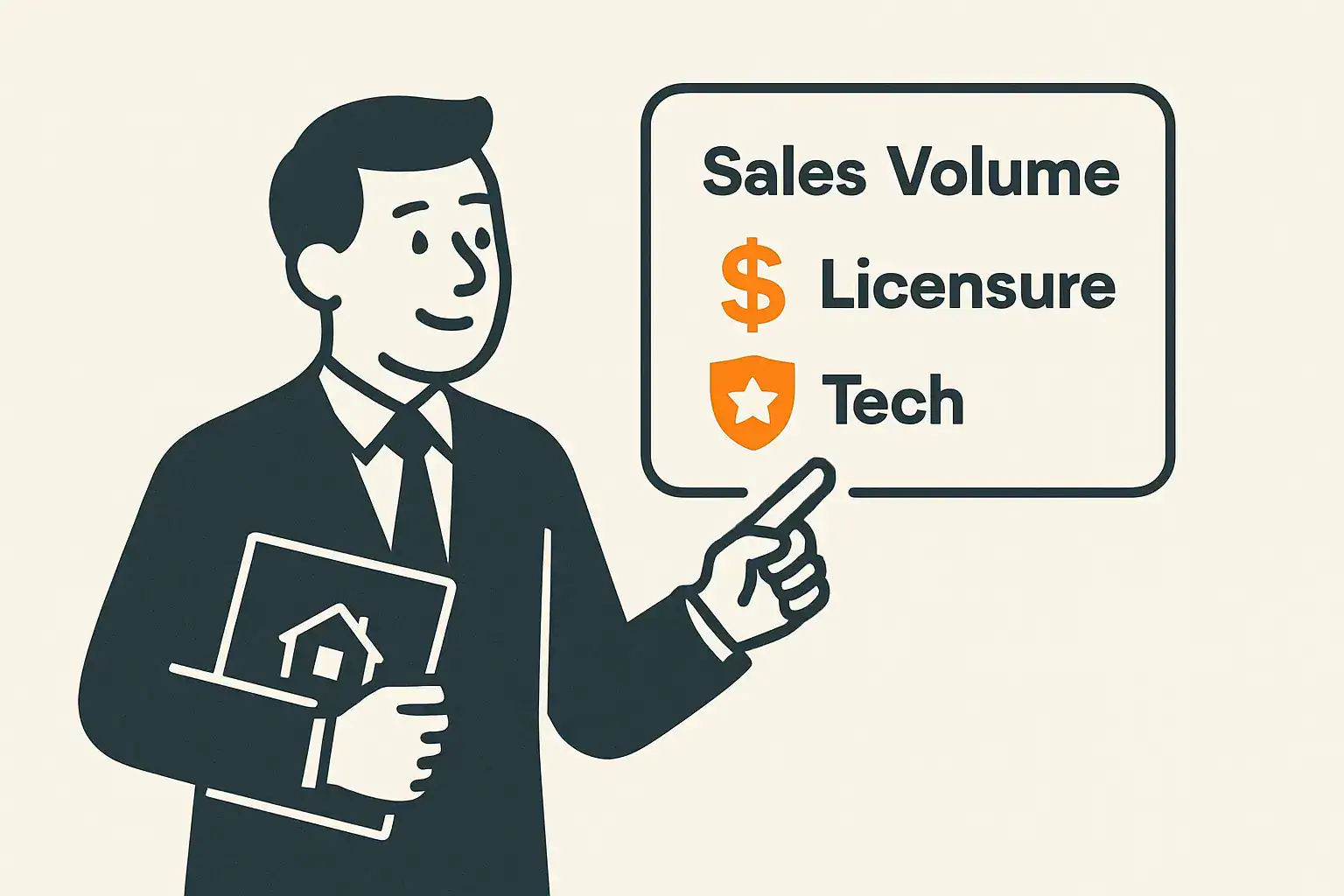
- Showcase Sales Volume: specific numbers and transaction values are the lifeblood of a winning real estate agent resume.
- Highlight Licensure: Immediately verify your state credentials and active license status to pass initial screening.
- Emphasize Technology: Proficiency in MLS, CRMs (like Salesforce or HubSpot), and digital marketing tools is essential in 2026.
- Client Retention Metrics: detailed referral rates and repeat client statistics prove your long-term value to a brokerage.
- Negotiation Expertise: Use strong action verbs to describe how you close deals and navigate complex counter-offers.
- Local Market Knowledge: Demonstrate your expertise in specific neighborhoods or property types (commercial vs. residential).
Introduction
In the high-stakes world of property, your resume is your first listing presentation. A generic document won’t convince a top-tier broker that you have the drive, connections, and closing power to succeed in their firm. Whether you are a seasoned top producer or a newly licensed agent, your resume needs to sell you as the ultimate asset.
Real estate is a numbers game, and your application must reflect that. Hiring managers are looking for evidence of hustle, precision, and the ability to manage complex transactions.
To stand out in 2026, focus on these core elements:
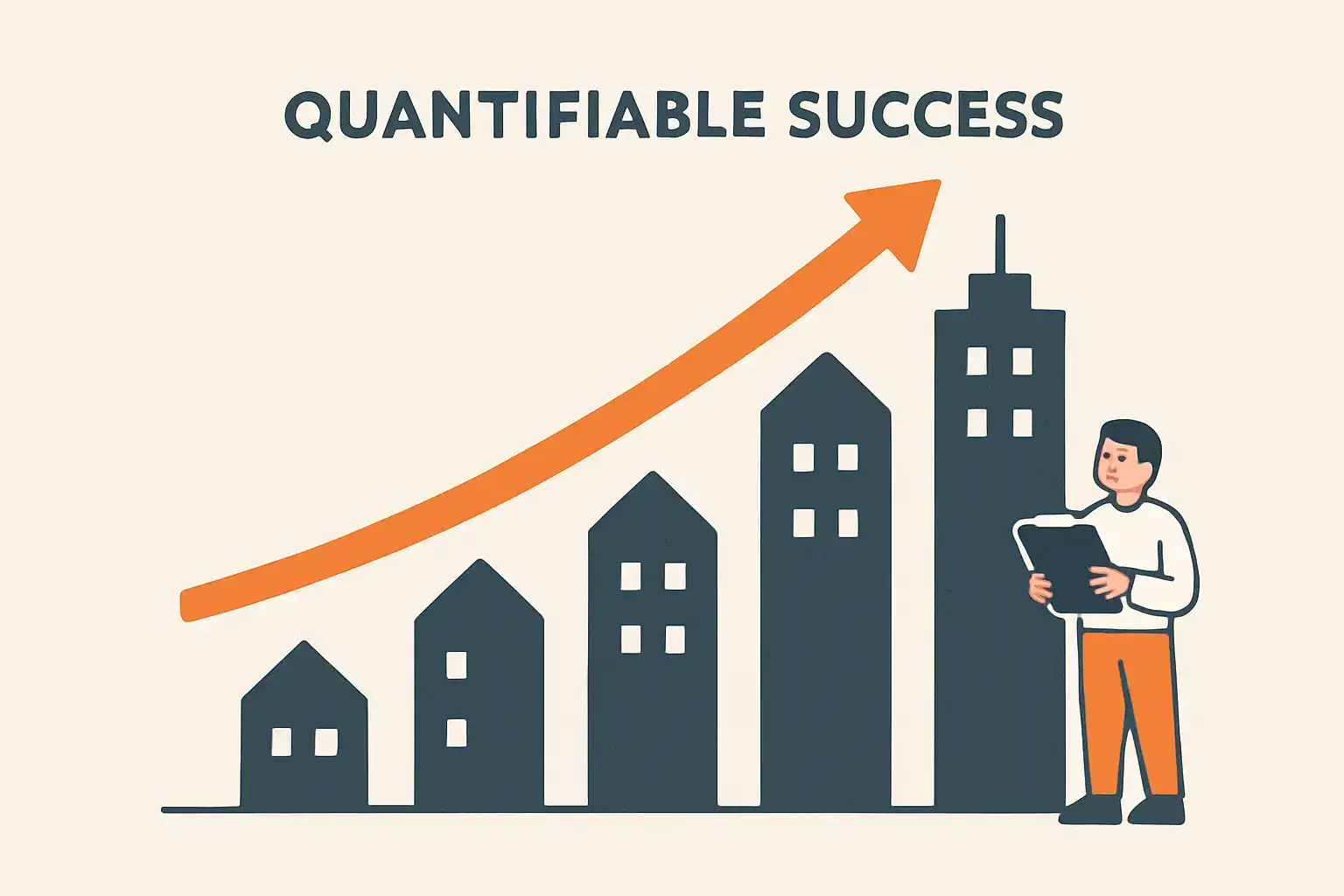
Quantifiable Success: Don’t just say you sold houses; state that you "Closed $15M in residential volume in 2024."
Digital Savviness: Modern brokerages demand agents who understand social media marketing, virtual staging, and lead generation.
Soft Skills: The ability to build rapport and negotiate effectively is just as important as your technical knowledge of contracts.
Lucas Weber
Licensed Real Estate Agent • Seattle, WA
Email: lucas.weber.realty@gmail.com • Phone: (206) 555-0199
Profile
Ambitious and licensed Real Estate Agent with 6+ years of experience in residential sales and property management. Proven track record of closing $8M+ in annual sales volume. Expert in negotiation, market analysis, and digital lead generation. Committed to providing exceptional client service and fostering repeat business.
Experience
Senior Real Estate Agent – Cascade Premier Realty (2021–Present)
Facilitated 45+ residential transactions annually with an average closing price of $650k. Developed a digital marketing strategy increasing inbound leads by 40%. Negotiated contracts effectively, maintaining a 95% list-to-sale price ratio.
Real Estate Sales Associate – Urban Horizon Properties (2018–2021)
Guided first-time homebuyers through the purchasing process, closing 20 deals in the first year. Conducted open houses and virtual tours, expanding client base by 25%. Managed CRM database of 500+ active leads.
Education
Bachelor of Science in Business Administration – University of Washington (2014–2018)
Real Estate License – Washington State Department of Licensing (2018)
Skills
Contract Negotiation • MLS Proficiency • CRM Management (Salesforce) • Market Analysis • Digital Marketing • Client Relations • Property Staging
Certificates
Certified Negotiation Expert (CNE) – 2022
Accredited Buyer’s Representative (ABR) – 2020
The Importance of a Strong Real Estate Agent Resume
Many agents operate as independent contractors, leading them to believe they don’t need a traditional resume. However, when you want to join a prestigious brokerage, apply for a property management role, or even pitch yourself to high-net-worth clients, a professional document is mandatory.
Your resume acts as a brochure of your services. It tells a broker not just that you have a license, but that you have the business acumen to generate revenue. Unlike a standard corporate job, a real estate agent resume must highlight entrepreneurial spirit, self-motivation, and tangible financial results.
Whether you specialize in commercial leasing, luxury residential, or property investment, the core principle remains the same: Proof of Performance. You must demonstrate that you understand the best skills to put on a resume in 2026 to stay competitive in a digital-first market.
Structuring Your Real Estate Resume for Success
The structure of your resume dictates how easily a hiring manager can find your key stats. For real estate professionals, the Reverse-Chronological format is the industry standard and most effective choice.
Why Reverse-Chronological?
This format places your most recent and likely most impressive sales figures at the top. It allows brokers to see your career trajectory—from selling starter homes to managing multi-million dollar listings.
Essential Sections to Include
To ensure your resume passes both human review and automated systems, include these distinct sections:
- Header: Name, contact info, and License Number.
- Professional Summary: A "listing description" of yourself.
- Experience: Bullet points focused on volume, units, and conversion.
- Education & Licensing: Where you got your degree and your real estate credentials.
- Skills: Hard skills (MLS, CRM) and soft skills (negotiation, empathy).
- Awards & Recognition: Top Producer awards, Circle of Excellence, etc.
Writing a Compelling Professional Summary
Your professional summary is the "curb appeal" of your resume. If it doesn’t look good from the street, nobody is coming inside. Keep it between 3 to 5 lines. Avoid generic fluff like "hard worker looking for a job." Instead, pack it with power keywords and metrics.
Weak Example:
"Real estate agent with experience selling houses. I am good at talking to people and I want to work for a big broker."
Strong Example:
"Top-performing Real Estate Agent with 5 years of experience in the competitive Florida market. Generated $12M in sales volume in 2024 with a 98% list-to-close ratio. Expert in digital marketing strategies and luxury property staging. Proven ability to build lasting client relationships and drive referral business."
This summary immediately tells the broker you are a revenue generator. For more inspiration on crafting summaries, check out our guide on writing a professional summary.
Create your AI resume 🏠
Experience Section: The Art of the Humble Brag
This is where you close the deal. Your experience section shouldn’t just list duties; everyone knows a real estate agent shows houses. Instead, list achievements.
Focus on the "Big Three" Metrics
- Sales Volume: The total dollar value of properties sold.
- Units Closed: The number of transactions completed.
- List-to-Sale Ratio: How close the final price was to your asking price (shows negotiation skill).
Using Action Verbs
Start every bullet point with a dynamic action verb. Instead of "Responsible for selling homes," use "Orchestrated the sale of 25 residential properties."
Sample Bullet Points:
- Secured 15 new listings in Q4 2024 through aggressive cold calling and door-knocking campaigns.
- Revitalized a stagnant listing by implementing a virtual staging strategy, resulting in a sale at 105% of asking price within 14 days.
- Negotiated complex contingencies regarding inspections and financing, saving 3 deals from falling through.
- Managed a client database of 300+ prospects using Salesforce, maintaining a 20% conversion rate from lead to appointment.
If you are coming from a retail background, the skills transfer easily. See our Sales Associate Resume Tips to learn how to frame your selling experience.
Hard vs. Soft Skills for Real Estate Agents
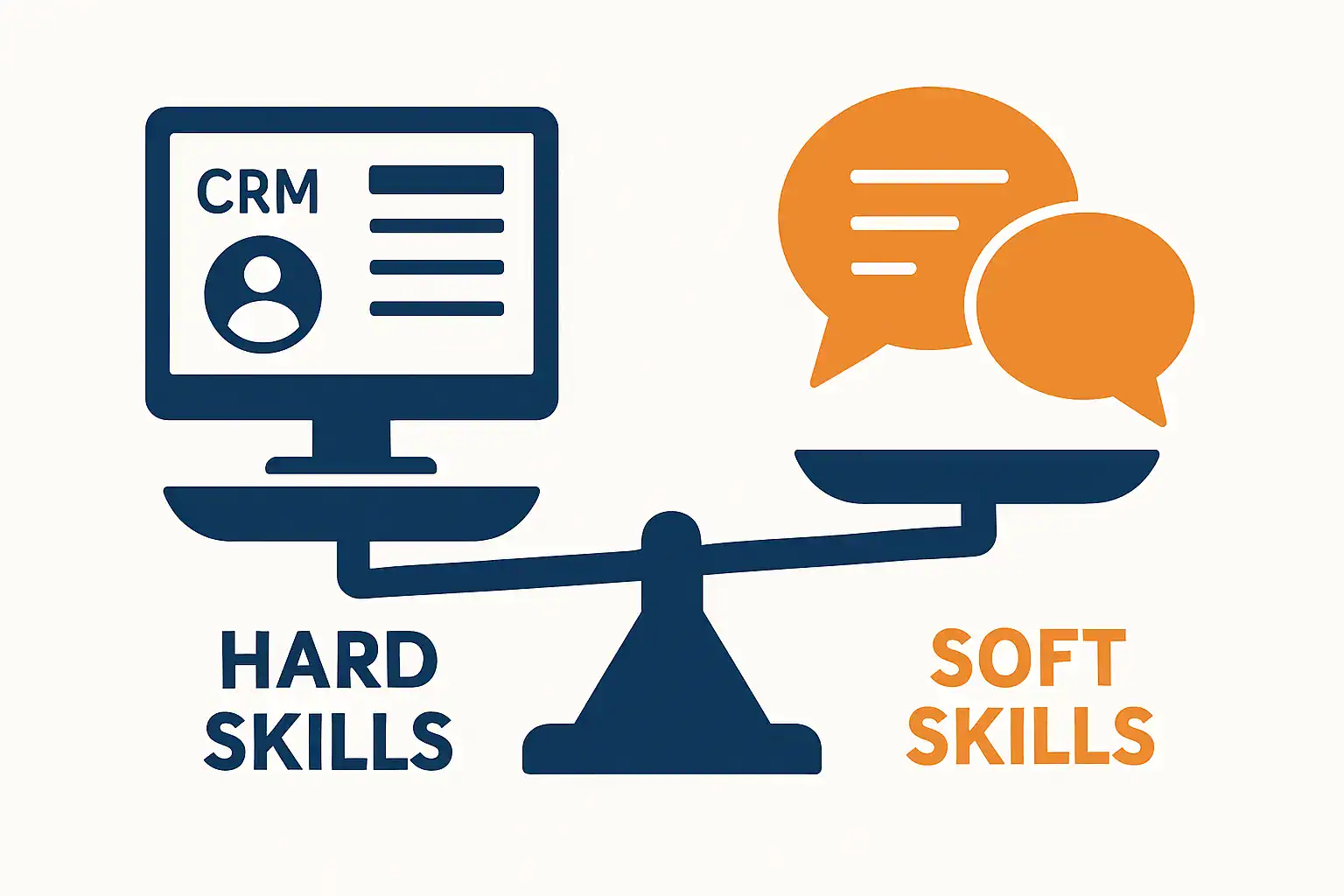
A balanced resume shows you can handle the software and the people. Real estate is unique because it is highly emotional for clients but highly technical for agents.
Hard Skills (Technical)
These are teachable abilities or software proficiencies. Brokers want to know you can hit the ground running without weeks of training on basic tools.
- MLS (Multiple Listing Service) mastery
- CRM Software (HubSpot, LionDesk, BoomTown)
- Contract Law & Real Estate Regulations
- Comparative Market Analysis (CMA)
- Digital Marketing (Facebook Ads, SEO, Email Campaigns)
- Transaction Management Platforms (Dotloop, DocuSign)
Soft Skills (Interpersonal)
These are your personality traits that define how you interact with buyers and sellers. Excellent client handling is similar to high-level customer support; read our Customer Service Resume Guide for more on highlighting empathy and patience.
- Negotiation: The ability to find a win-win or advocate fiercely for your client.
- Communication: Explaining complex escrow processes to nervous first-time buyers.
- Time Management: Juggling showings, inspections, and closings simultaneously.
- Resilience: Bouncing back after a deal falls through.
- Networking: Building partnerships with lenders, inspectors, and contractors.
Optimize resume with AI 🚀
Education and Licensing Section
Unlike other professions where education is tucked away at the bottom, your Real Estate License is critical. It is a legal requirement to work.
How to Format:
List your license prominently, potentially even in your header or a dedicated "Licensure" section. Include the state and the year obtained.
Example:
Licensed Real Estate Salesperson
State of California | License #01234567 | Active since 2019
If you have a degree, list it below your license. While a degree isn’t always required, a background in Business, Finance, or Marketing is a massive plus.
Certifications That Boost Value
The National Association of Realtors (NAR) offers designations that show you are an expert in a niche. Including these can differentiate you from the thousands of generalist agents.
- ABR (Accredited Buyer’s Representative)
- CRS (Certified Residential Specialist)
- SRES (Seniors Real Estate Specialist)
- Green Designation (Sustainability expert)
Handling “No Experience” as a New Agent
Everyone starts somewhere. If you are a newly licensed agent, you don’t have sales volume to brag about yet. So, what do you put on your real estate agent resume?
Focus on Transferable Skills:
Did you work in hospitality? You have elite customer service skills. Did you work in construction? You know how houses are built. Did you work in finance? You understand mortgages.
Highlight Your Training:
Mention the specific coursework you completed for your license. "Completed 135 hours of Real Estate Principles and Practice with a 4.0 GPA."
Showcase Entrepreneurship:
If you have run a side hustle, managed a community project, or held leadership roles in college, list them. Brokers look for hustle.
For more help on crafting a resume without direct history, read our guide on writing a resume with no experience.
Beat the Applicant Tracking Systems (ATS)
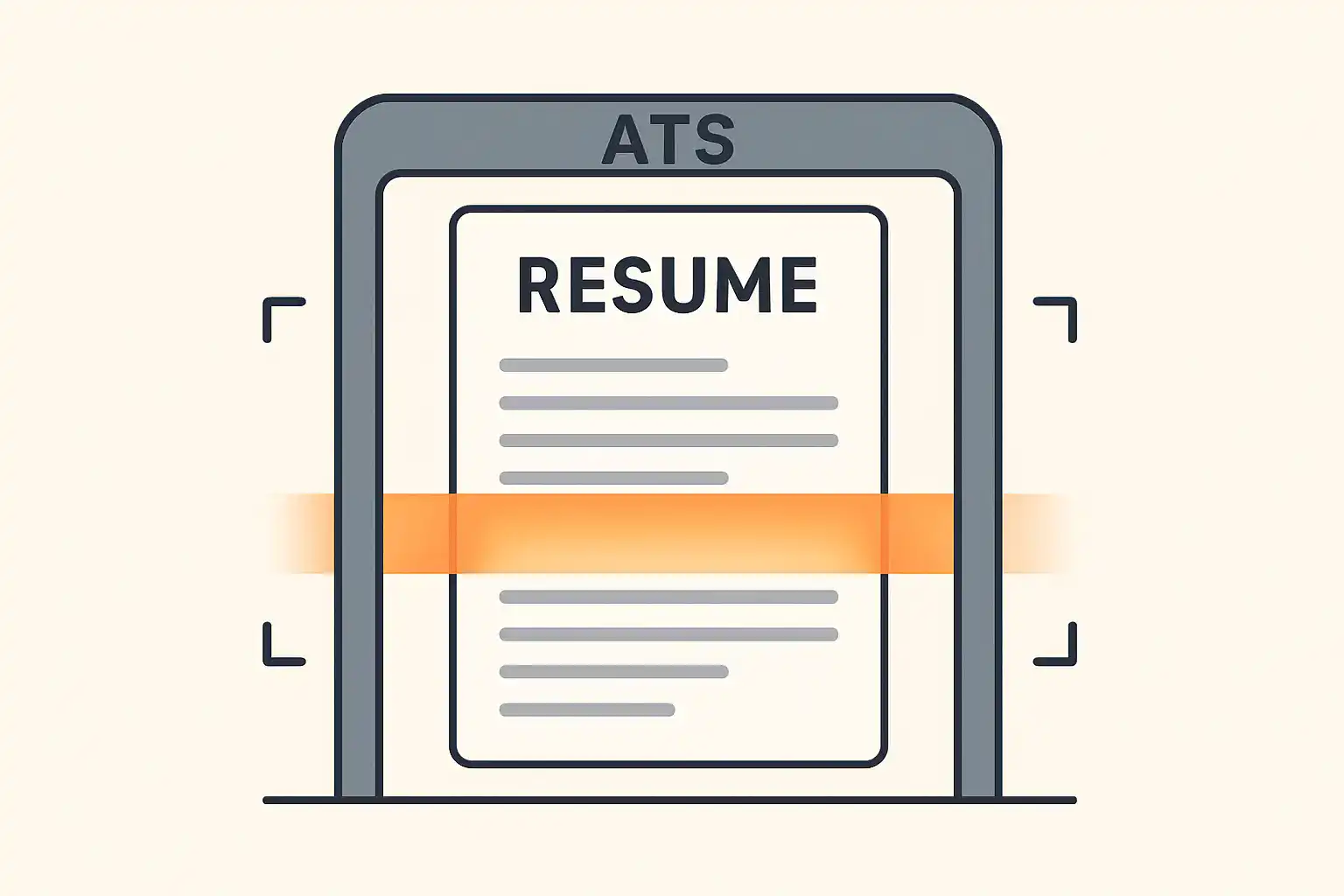
Large brokerages (like Redfin, Compass, or eXp) use ATS software to filter applications. If your resume doesn’t contain the right keywords, it might be rejected before a human ever sees it.
ATS Tips for Real Estate:
- Use standard headings (Experience, Education, Skills).
- Avoid graphics, headshots, or columns that confuse the scanner.
- Include keywords from the job description (e.g., "Lead Generation," "Prospecting," "Escrow").
- Save your file as a .docx or PDF.
Want to know if your resume will pass? Check out our ATS Resume Optimization Guide.
Get hired faster today ✨
Common Mistakes to Avoid
Even top producers make mistakes on their resumes. Avoid these pitfalls:
1. Being Vague about Territory:
Real estate is hyper-local. Don’t just say "Sold homes in Texas." Say "Specialized in single-family homes in the Austin metropolitan area."
2. Ignoring Technology:
Failing to mention CRM or social media skills makes you look outdated. The industry is moving online; show you are keeping up.
3. Using a "Functional" Format:
Brokers are suspicious of functional resumes that hide dates. Stick to reverse-chronological to show consistent work history.
4. Typos:
Attention to detail is critical in contracts. A typo in your resume suggests you might make a typo in a $500,000 purchase agreement. Proofread relentlessly.
Leveraging AI for Your Real Estate Resume
In 2026, using AI tools to help draft your resume is a smart move. AI can help you brainstorm action verbs, optimize your summary for keywords, and even format your document.
However, AI cannot replace your personal achievements. Use Resume AI Tools to build the structure, but ensure you manually input your specific sales numbers and local market expertise. The human touch is what sells houses, and it’s what sells you.
Checklist for a Winning Real Estate Resume
Before you hit send on that application to your dream brokerage, run through this final checklist:
- Is your contact info (phone/email) clear and professional?
- Is your Real Estate License number listed?
- Have you quantified your sales (Volume, Units, %)?
- Are you using power verbs (Negotiated, Spearheaded, Closed)?
- Did you include relevant software skills (MLS, CRM)?
- Is the formatting clean and ATS-friendly?
- Have you saved it as a PDF?
FAQ: Real Estate Agent Resume
1. Should I include my sales volume if it is low?
If your volume is low because you are new, focus on other metrics like the number of open houses hosted, leads generated, or training completed. If you are experienced but had a down year, focus on your career totals (e.g., "Career sales volume of $20M+") rather than just the last 12 months.
2. Do I need a resume if I am an independent contractor?
Yes. While you are technically your own boss, you still need to "hang your license" with a broker. Top brokerages are selective. They want to know you will represent their brand well and generate revenue. Furthermore, clients often ask for a bio or resume to verify your experience.
3. How do I list my broker on my resume?
List the brokerage firm as your employer. For example: "Real Estate Agent | Keller Williams Realty, Denver, CO | 2020–Present." This leverages the brand recognition of the brokerage while highlighting your specific role.
4. Should I put my headshot on my real estate resume?
Generally, no. While headshots are essential for business cards and “For Sale” signs, they are not recommended for the resume itself due to ATS parsing issues and potential bias regulations. Keep the photo for your LinkedIn profile and marketing materials.
5. What is the difference between a Realtor and a Real Estate Agent on a resume?
A Real Estate Agent is licensed by the state. A REALTOR® is a member of the National Association of Realtors and subscribes to a strict Code of Ethics. If you are a paying member of NAR, definitely use the title REALTOR® (capitalized with the symbol) as it carries prestige. If not, stick to Real Estate Agent.
Author Information
Rebecca Lawson – Lead Resume & ATS Specialist
Rebecca Lawson is the Lead Resume & ATS Specialist at ResumeAITools, with 10+ years of experience helping job seekers across all industries improve their resumes and land better roles.

